Advancing Marine Science for a Healthier Ocean
Collaborative research, data-driven insights, and community engagement to protect California’s coastal ecosystems.
Questions?
Contact our team
MODERN APPROACH TO CONSULTING
Our team works closely with scientists, managers, and community partners to support sustainable ocean stewardship.
What We Do
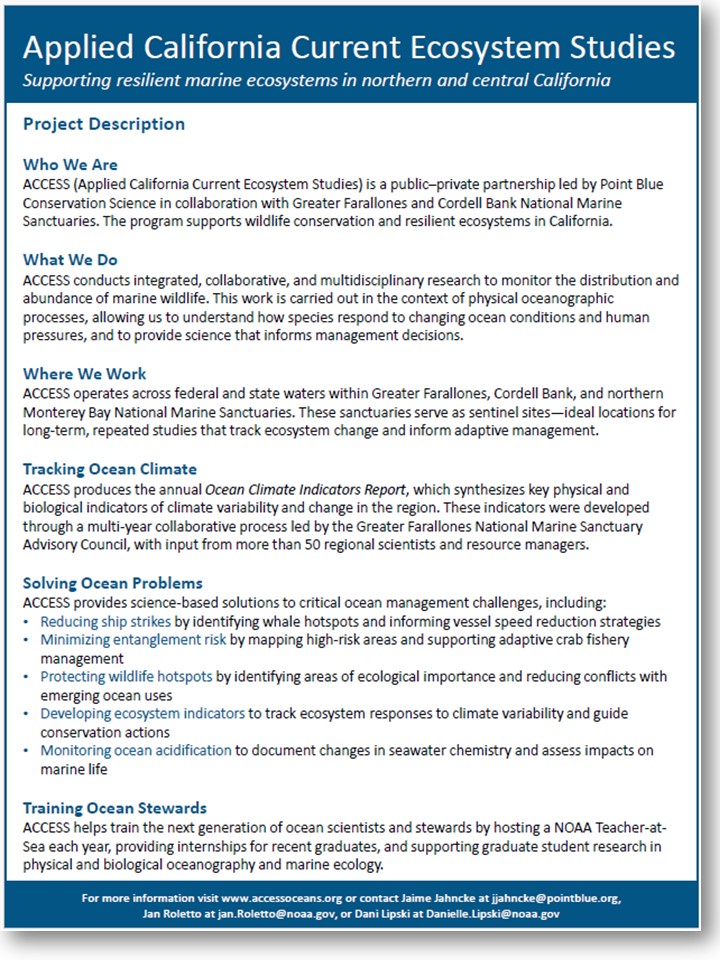
ACCESS members collaborate on integrated, multidisciplinary research to monitor marine wildlife and understand how physical and biological ocean processes shape their distribution and abundance. Our findings support managers, policymakers, and conservation partners in responding to environmental change and human impacts, helping strengthen public support for marine conservation.
Tracking Ocean Climate
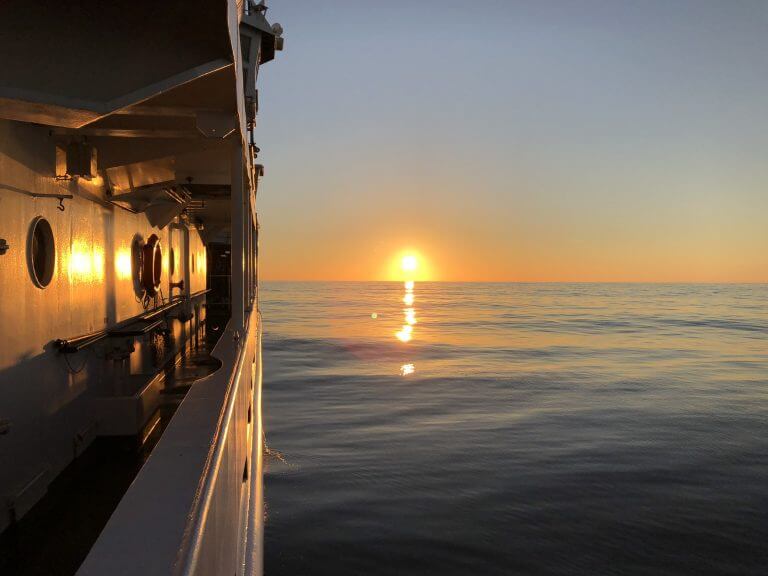
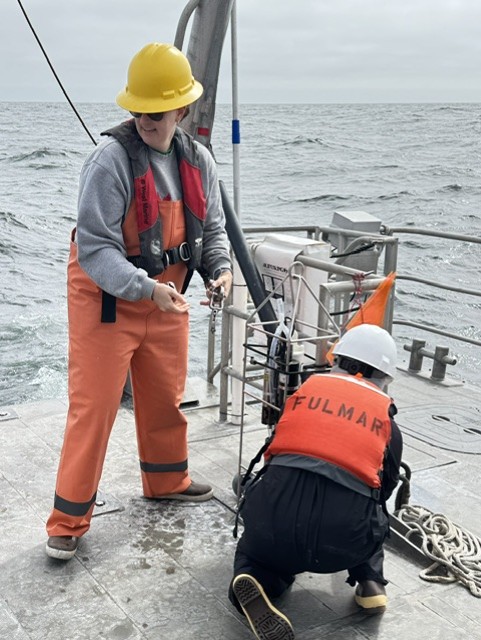
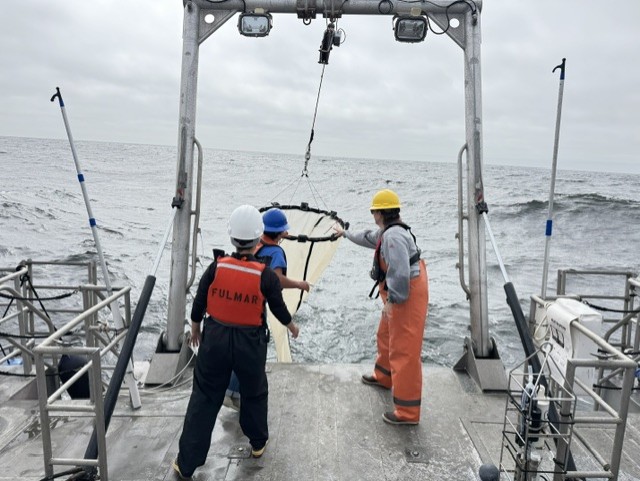
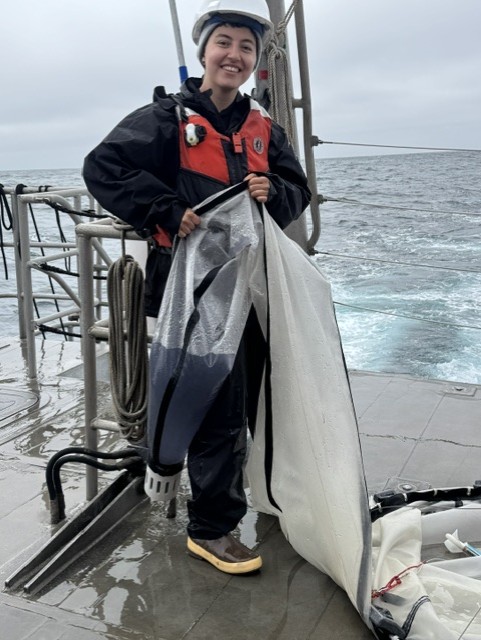
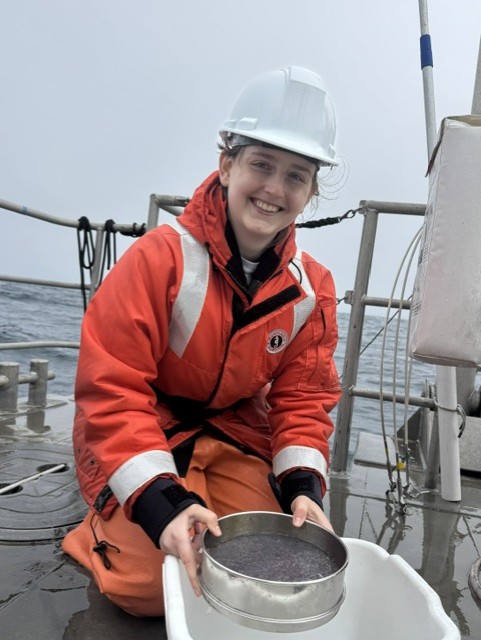
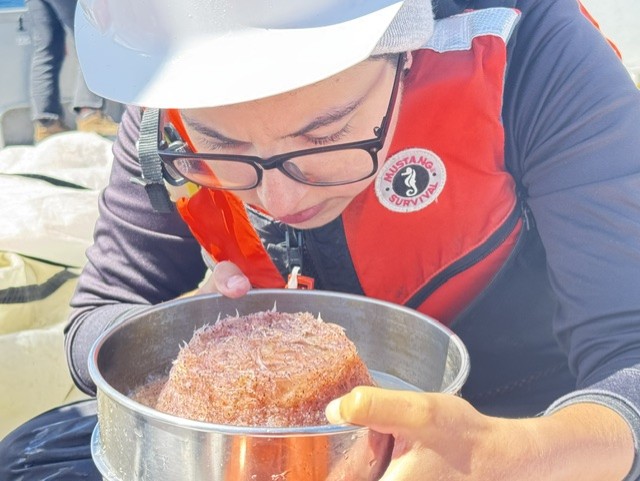
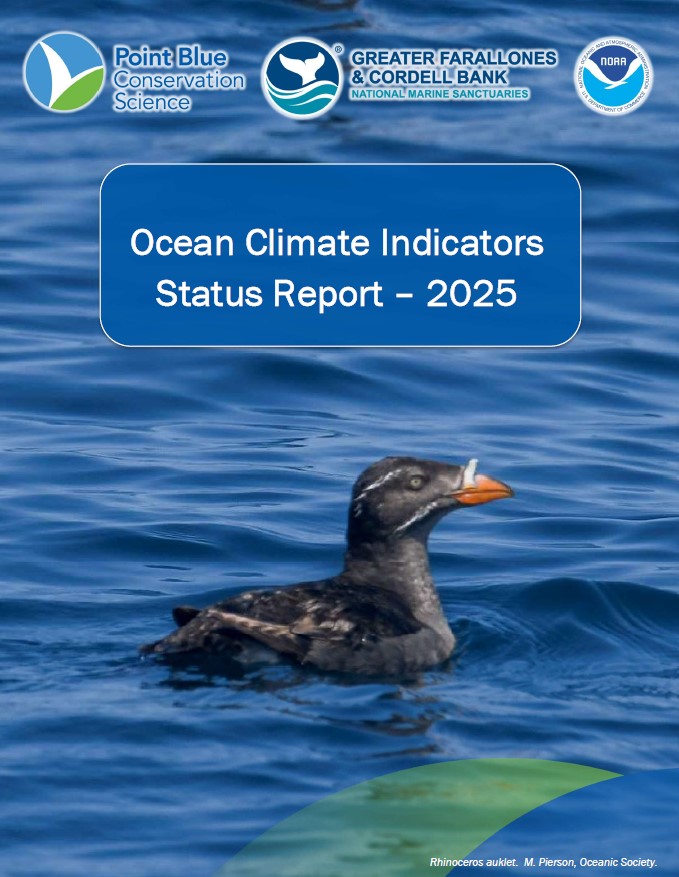
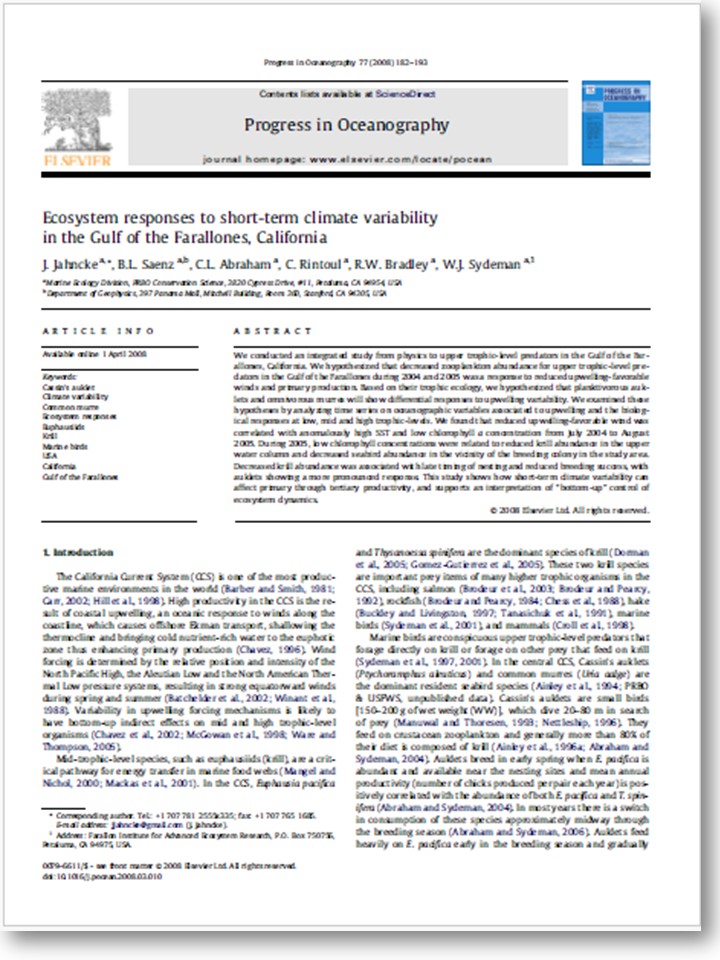
ACCESS partners have been monitoring ocean climate to better understand seasonal patterns throughout the oceanographic year and to evaluate how marine ecosystems respond to large, basin-scale climate shifts over time. These ongoing research cruises began in 2004 and take place from April through October aboard the NOAA National Marine Sanctuary research vessel Fulmar. To date, sixty-six (66) cruises have been conducted, providing valuable long-term data to support scientific analysis and informed management decisions.
Solving Ocean Problems
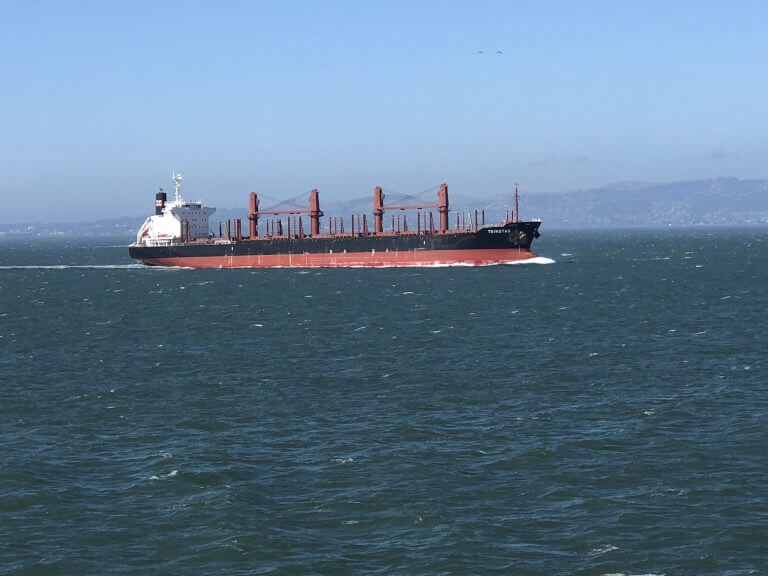
ACCESS works closely with resource managers, policy-makers, and conservation partners to recommend practical solutions to critical ocean challenges and to strengthen public support for marine conservation. Through long-term research and data analysis, ACCESS focuses on key conservation and management priorities, including reducing whale ship strikes. ACCESS data has been used to identify important whale habitats within Cordell Bank and Greater Farallones National Marine Sanctuaries, helping to inform protective measures and responsible maritime practices.
Training Ocean Stewards
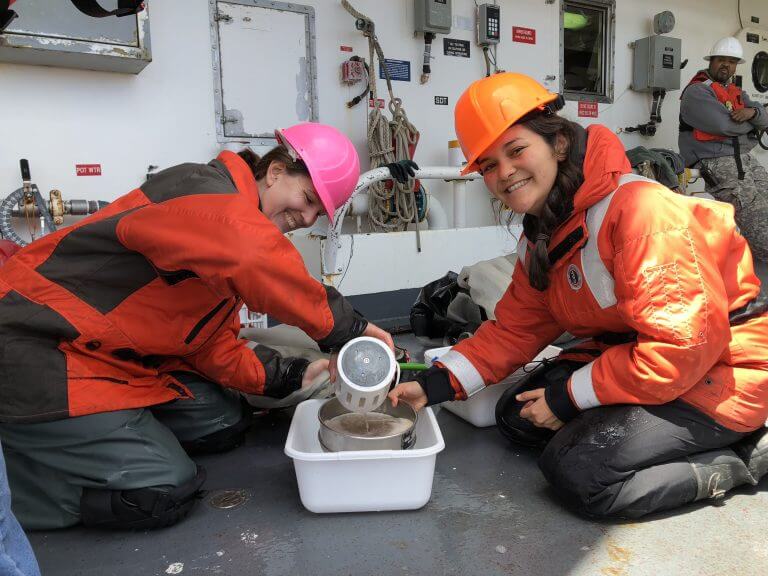
ACCESS is committed to developing the next generation of ocean scientists and environmental leaders through hands-on education and research opportunities. Each year, the program hosts a NOAA Teacher-at-Sea, supports graduate students with field and data research projects, and offers laboratory internships to recent college graduates pursuing careers in marine science. These initiatives provide educators and students with direct experience in marine research and conservation. For additional information about the Teacher-at-Sea program, please contact ACCESS.
MAPPING TOOL
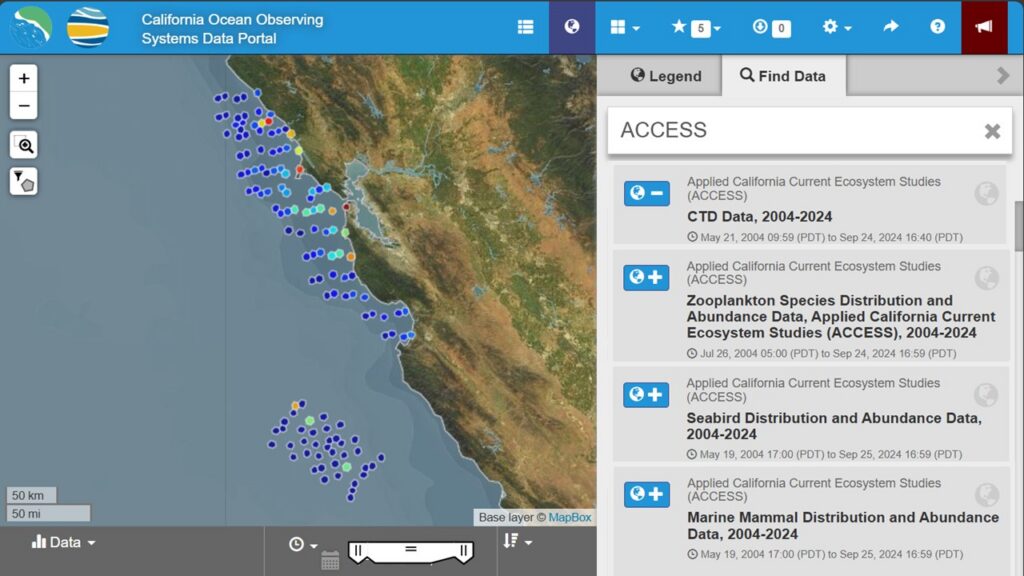
The mapping tool offers clear, easy-to-use visualizations of seabird, whale, and marine wildlife distribution and abundance based on data collected during ACCESS research cruises. We share this information with researchers, graduate students, and regional agencies, and are working to make it available through the Central and Northern California Ocean Observing System (CeNCOOS) Data Portal. For additional information, please contact Dr. Jaime Jahncke. Click here »Videos
Applied California Current Ecosystem Studies: An Overview
Jan Roletto, Research Coordinator of Greater Farallones National Marine Sanctuary, provides a quick overview of ACCESS, highlighting research to track ocean climate, decrease whale ship strikes and mentor graduate students.Counting Seabirds and Whales
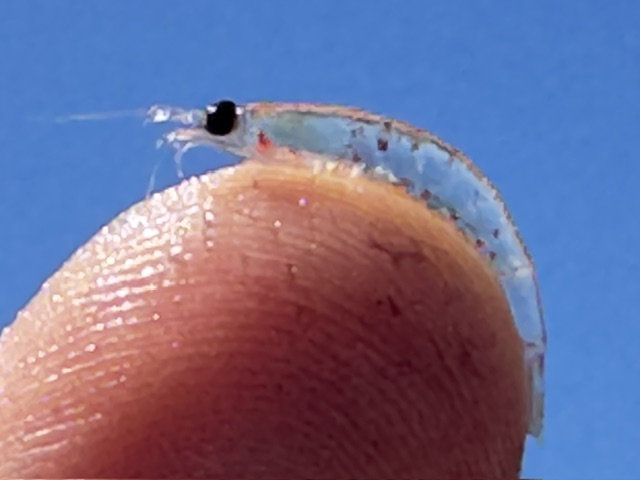
Sampling Zooplankton in the Ocean
Support Us
ACCESS research to monitor ocean climate, develop solutions to critical marine challenges, and train future ocean stewards relies on the continued support of philanthropic foundations and individual donors like you. Your contribution helps sustain this important work and protect our coastal ecosystems for generations to come.
To donate and support ACCESS, please click here. For additional information, please contact Dr. Jaime Jahncke.